
Spirituality & Belonging
As part of a broad and balanced curriculum, we promote the spiritual, moral, social and cultural development of pupils (SMSC) at the school and of society. At St John's we pride ourselves in nurturing the spirituality of everyone in the school community. All children have an inborn spirituality. However, if spirituality is not nurtured, it can wither. Spirituality is not the same as religious faith but it is the bedrock on which faith is founded.
Our definition of Spirituality
Sprituality is not something we can see; it is something we feel inside ourselves. It is about awe and wonder, asking questions, inspiration and being aware of something bigger outside of ourselves.
How we experience Spirituality at St John's
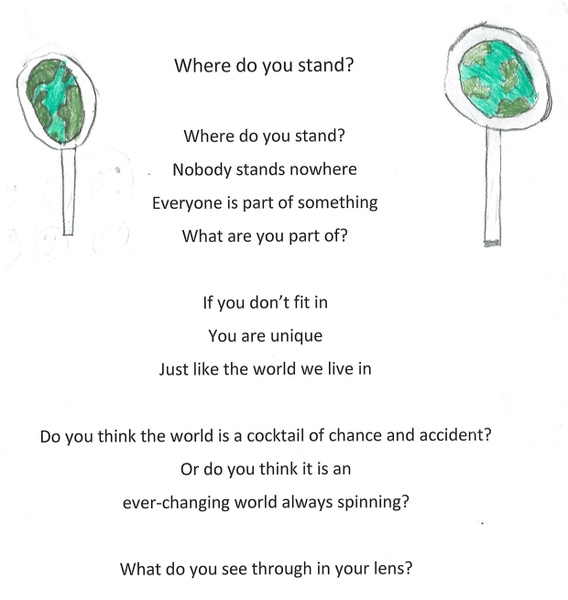
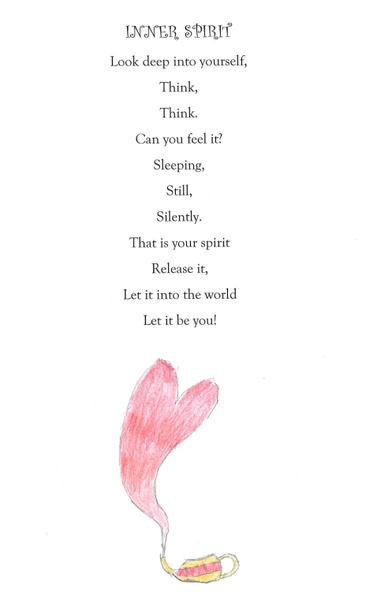
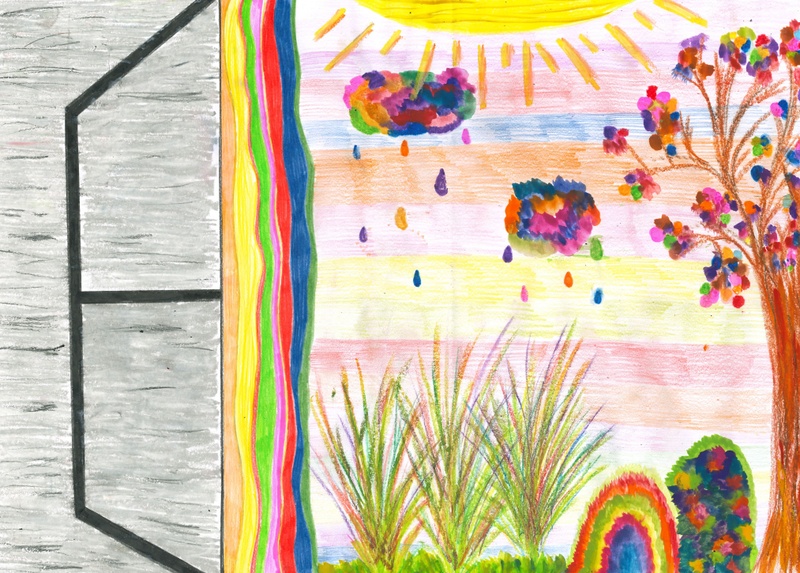
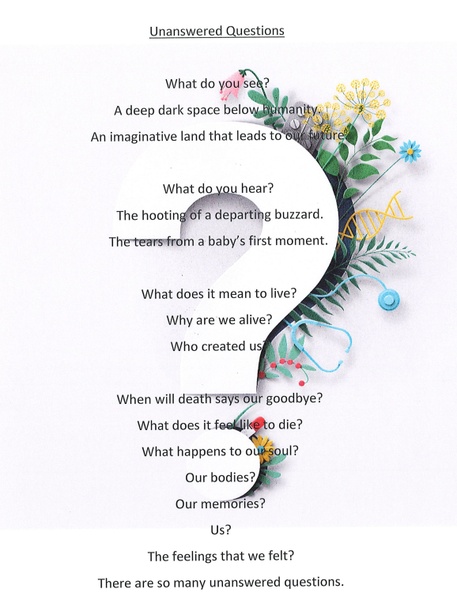
We experience spirituality through the philosophy of Windows, Mirrors, Doors and Candles.
The Window is how we see and value the world around us and appreciate its beauty. We develop an appreciation for the world around us. It is about giving time and opportunities to really observe things in greater detail.
The Mirror is the means by which we look at ourselves and reflect upon how we wish to behave. We think about ourselves and how we feel about the things we have observed.
The Door is the process that we find from Christian teachings which makes us want to make a difference to each other and the world and go out ‘via the door’ to make a contribution to society, both in school, at home, nationally and internationally. By opening the door we think about others and understand how they feel. We promote the idea that we can care enough to make courageous changes for the better.
The Candle is the time we give to look at the unanswered questions. It is where we reflect on what we have seen, felt and reflect upon the differences we can make and have made.


Belonging at St. John’s School
Our Intent
At St. John’s School, we are committed to ensuring that every member of our community feels safe, valued and included. The academic, emotional and spiritual well-being of all pupils and adults is central to our work, and we recognise that a secure sense of belonging is essential to personal development, mental well-being and positive outcomes.
Rooted in our vision, “Nurturing potential for all within a Christian ethos,” we foster a culture of high expectations, care and mutual respect. Our school values of respect, thankfulness, peace, forgiveness, honesty and trust, and love underpin positive relationships, inclusive behaviour and high-quality teaching and learning. This enables all pupils to thrive in an environment where individuality and difference are recognised, celebrated and protected.
We actively promote inclusion and equality, ensuring that all individuals are treated with dignity and fairness, and that barriers to learning, participation and wellbeing are identified and addressed promptly.
Implementation: What We Do
Belonging at St. John’s is intentionally and consistently developed through all aspects of school life.
· All pupils can access all areas of school life, because barriers are anticipated and removed, and reasonable adjustments and adaptations are made proactively.
· Belonging is deliberately nurtured through strong relationships, an inclusive and representative curriculum, effective pastoral systems, and a positive whole-school culture.
· Evidence is used purposefully to inform practice and drive improvement, ensuring that every child feels connected, supported and valued.
How We Measure and Evidence Belonging
We use a range of qualitative and quantitative evidence to evaluate the effectiveness of our approach and its impact on pupils.
· Pupil voice surveys and questionnaires, capturing children’s experiences, feelings of safety, inclusion and connection.
· Monitoring participation in clubs, trips, leadership roles and enrichment activities to ensure equality of access and representation across all groups. This information is recorded and tracked through the St. John’s Passport document.
· Curriculum reviews to ensure representation, diversity and inclusive practice across subjects and themes.
· Analysis of behaviour, attendance and wellbeing data to identify patterns, remove barriers and inform timely support.
· Feedback from parents, staff and external professionals to triangulate evidence and strengthen evaluation.
This evidence enables leaders to identify gaps, take targeted action and continuously strengthen a sense of belonging for every child.
Impact: As a Result
Emotional Safety
· Pupils feel safe, valued and confident to express themselves.
· They know they will not be judged, ridiculed or excluded.
Supportive Relationships
· Pupils develop strong, positive relationships with staff and peers.
· Collaboration, mutual respect and recognition are embedded in everyday practice.
Inclusivity for All
· Every child has access to a high-quality education with no barriers to participation.
· Adaptations are routinely made so that all pupils — including those with SEND, from disadvantaged backgrounds, or with protected characteristics — can fully participate in lessons, trips, clubs and whole-school events.
Engagement and Participation
· Pupils are active participants in learning and wider school life.
· They show care for others and contribute positively to an inclusive school community.
Measurable Outcomes
· Improved attendance and engagement
· Higher academic achievement
· Improved mental health and emotional resilience
· Stronger self-esteem and confidence
· Fewer behavioural concerns
· Greater motivation and positive attitudes to learning